Landscaping
Desert landscaping in St. George
Xeriscape, turf, gravel, planting, and irrigation designed for Southern Utah water and sun. A yard that looks good in August, not just the month it went in.
- BBB A+ Accredited
- Licensed & insured
- 4.9 on HomeAdvisor
- 20+ years local

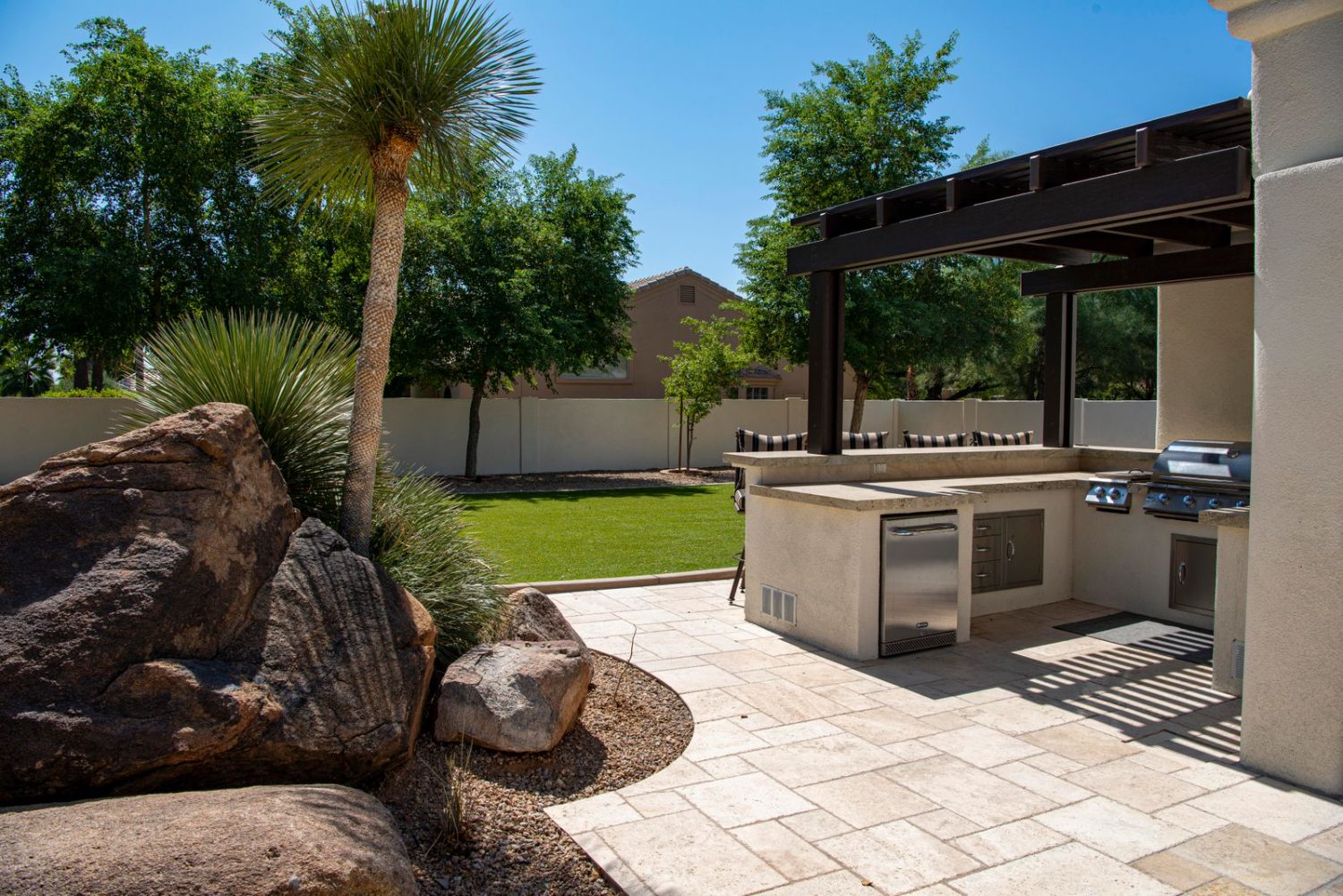
Inferno Construction designs and installs landscaping across St. George and Southern Utah, including xeriscape and desert planting, artificial turf, gravel and decomposed granite, boulders, drip irrigation, and drainage. We build yards around how little water they need, because that is what decides whether one still looks good in five years.
Why Inferno
Design for August, not for planting day
Any yard looks good the week it goes in. The real test is late summer, when it has taken three months of direct sun and the water bill has arrived a few times. Plenty of Southern Utah landscaping is designed for the first photo: thirsty plants that need daily water to survive July, and broad lawns that cost more to keep alive every year as water gets tighter. We would rather build something that still looks intentional in August with a fraction of the water.
That mostly comes down to plant selection and irrigation. Choosing species that genuinely belong in this climate rather than ones that merely survive it, grouping plants by water need so one zone is not drowning while another is thirsty, and running drip to the root rather than spraying water into hot air where most of it evaporates before it lands.
Drainage is the piece people forget in a desert. Rain here arrives all at once during monsoon season, and a yard graded only for looks sends that water toward the house. We set grade and drainage first, because a beautiful yard that puts water against your foundation is a very expensive mistake.
What's included
Grade, plant, and water it properly
Landscaping is grading, irrigation, and planting in the right order. We handle all three, plus the hardscape edges that hold it together.
Xeriscape & desert planting
Agave, yucca, ornamental grasses, and flowering desert species chosen to thrive here rather than merely hang on.
Artificial turf
Quality turf for a green area that survives a St. George summer, installed over proper base with drainage underneath.
Gravel & decomposed granite
Rock, DG, and boulders laid over weed barrier with edging that keeps them where you put them.
Drip irrigation
Zoned drip delivering water to the root, on a controller you can adjust seasonally instead of running one schedule all year.
Grading & drainage
Slope, swales, and drains set so monsoon runoff leaves the property instead of pooling against the house.
Trees & shade
Shade trees placed where they will actually cool the house and patio once they are grown, not just where there is a gap now.
Landscape lighting
Low-voltage path and uplighting on a timer, which is when a desert yard tends to look its best.
Edging & borders
Steel, paver, or concrete edging that keeps gravel, turf, and planting beds crisply separated.
What goes into it
Anatomy of a desert yard
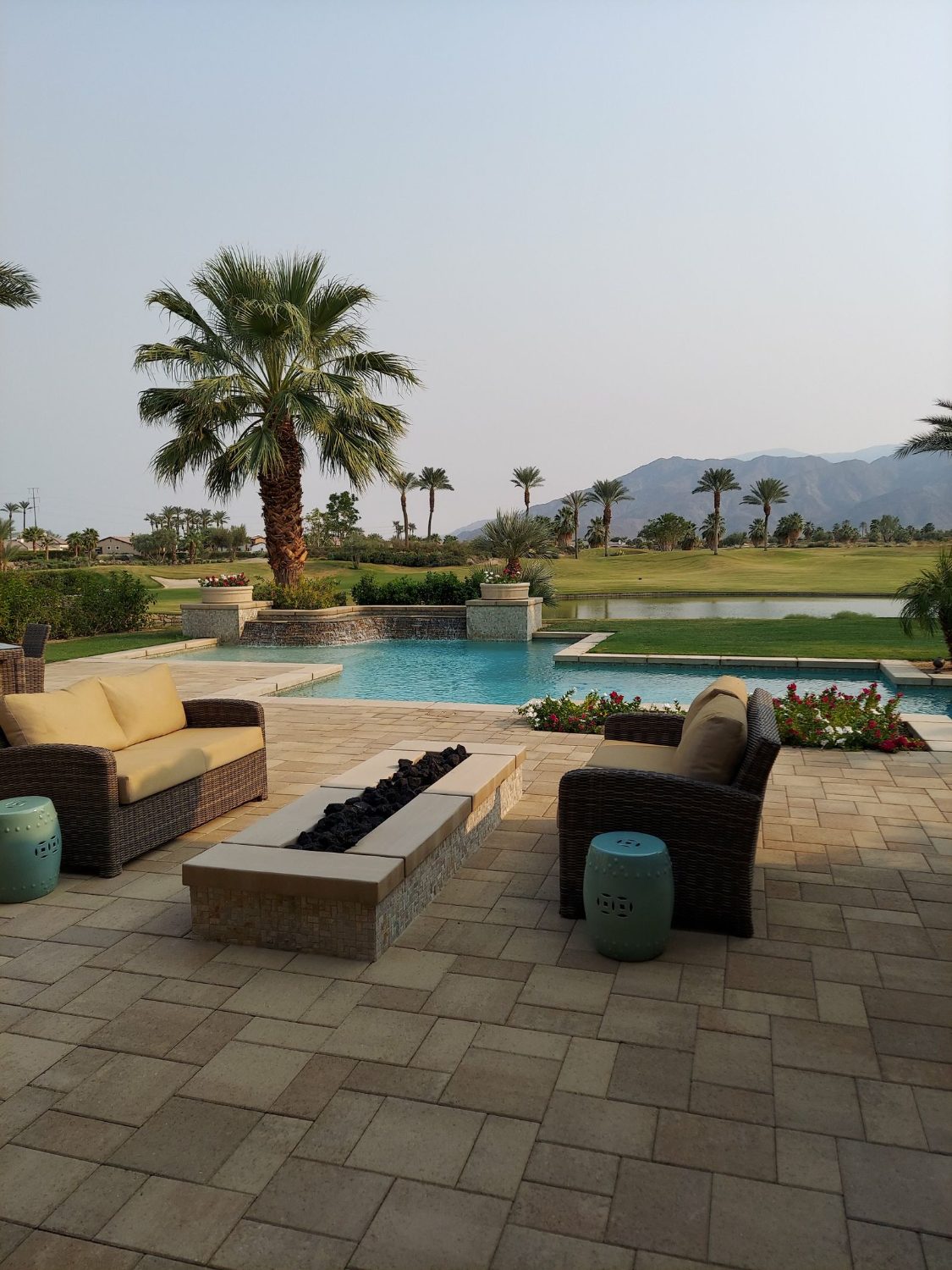
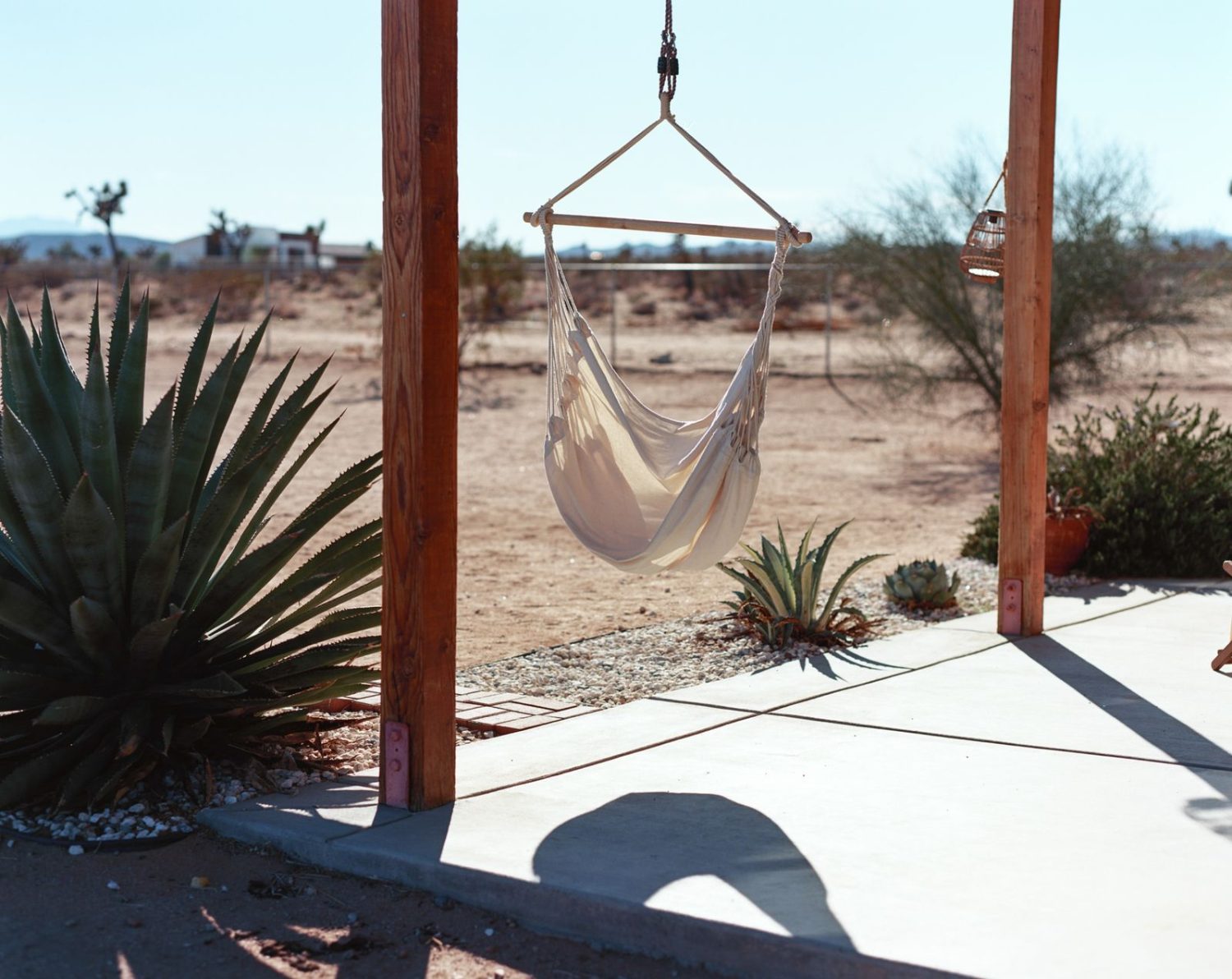
The pieces that keep a Southern Utah yard looking good on low water. Tap a marker to see why each one matters. (Photo shown for illustration.)
Want a yard that looks good in August?
Free estimateHow it works
From bare dirt to finished yard
Free yard walk
We look at grade, drainage, sun exposure, existing irrigation, and any HOA rules that apply to your street.
Design and plan
You get a planting plan, materials, an irrigation zone layout, and a written scope before anything is dug.
Grade, then build
Grading and drainage first, then irrigation, hardscape edges, and finally planting, turf, and rock.
Set the controller
We program the irrigation for the season, walk you through adjusting it through the year, and hand over a plant care list.
Real reviews
Homeowners on working with us
Two decades of building across St. George, and a 4.9 rating to show for it. Here is what a few homeowners had to say.
Questions
Landscaping FAQs
Is artificial turf worth it in Utah?
For a lot of yards, yes. It stays green through the whole summer, removes a large irrigation zone, and handles dogs and traffic well. The tradeoff is that it runs hotter than living grass, so we usually keep it out of full afternoon sun or pair it with shade. We will tell you honestly where it works and where it will not.
How much water will xeriscape actually save?
A lot, though the exact number depends on what you are replacing and how your irrigation was running before. The savings come from two places: plants that need far less, and drip that puts water at the root instead of spraying it into hot dry air. Most of the waste in a desert yard is evaporation, not the plants.
Do I still need irrigation for desert plants?
Yes, especially for the first year or two while they establish. After that many desert species need only occasional deep watering. We zone the system so establishing plants and mature ones are not on the same schedule.
Will my HOA allow a desert yard?
Usually, and increasingly they encourage it, but rules vary a lot by community and some still require a minimum of living plant material or restrict rock color. We check your HOA guidelines during the walkthrough and design to them so nothing gets torn out later.
When is the best time to plant here?
Fall is ideal, and spring is a close second. Both give roots time to establish before extreme heat. We do plant through the summer when a project schedule calls for it, we just water more aggressively during establishment and tell you what that period will look like.
Keep exploring